

Some skin concerns aren’t about volume or sagging — they’re about texture.
Pores look larger than they used to. Old acne scars still catch the light. Tone is uneven in a way that makeup covers but never fixes.
These are surface-level changes, and they don’t respond to the treatments that address deeper aging. They need something that rebuilds the skin itself.
Microneedling in Phoenix, AZ stimulates your own collagen production to improve skin texture, tone, and firmness — gradually, and without surgery.

Microneedling, also called collagen induction therapy, uses a medical device with fine needles to create controlled micro-channels in the surface layer of the skin.
Those micro-injuries are small enough to heal quickly, but significant enough to trigger the body’s repair response — which produces new collagen and elastin.
The result is skin that becomes firmer, smoother, and more even over a series of treatments, using your own tissue rather than anything added to it. This is a gradual treatment, not an immediate one. Collagen remodeling takes weeks, and most patients need a series of sessions rather than a single visit.
The key advantage of microneedling is that it improves the skin’s own structure — rather than sitting on top of it like a topical product.
Refine rough or uneven surface texture and reduce the appearance of enlarged pores.
Break down and rebuild scarred tissue so depressed acne scarring becomes less visible over a treatment series.
Improve blotchiness, sun damage, and discoloration for a more uniform complexion.
Stimulate collagen and elastin production that continues improving skin quality for months after treatment ends.
Microneedling is best suited for patients who want to improve skin quality without downtime from surgery or ablative lasers.
Microneedling may not be the right option if you:
A consultation helps determine the safest and most effective approach for your goals.
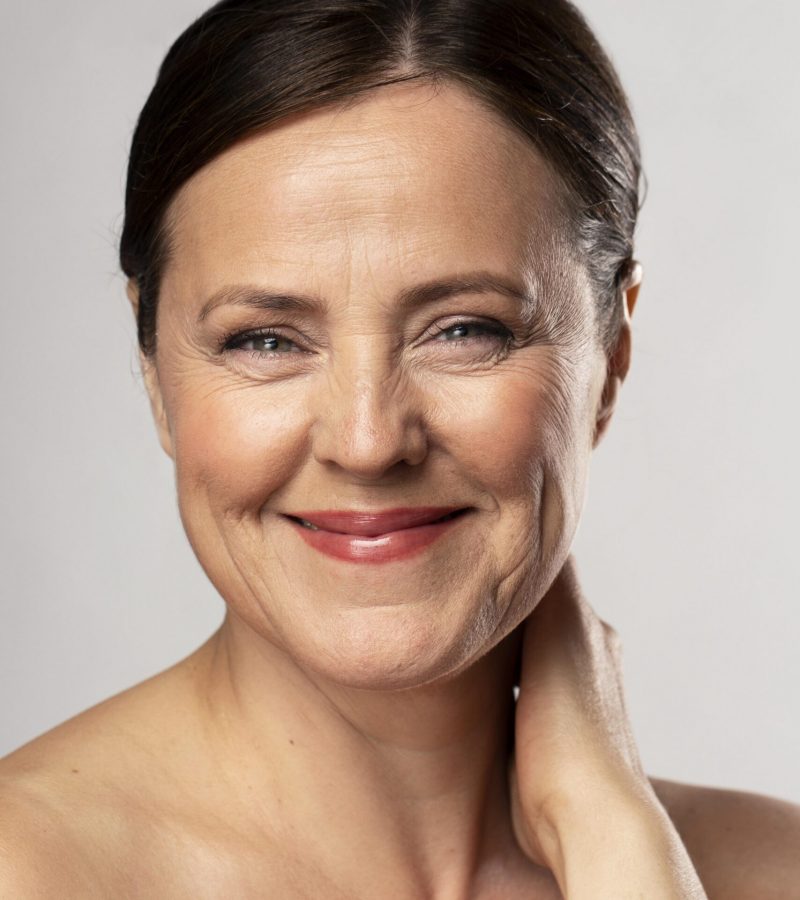

Microneedling is used across the face and body wherever skin texture or scarring is the primary concern.
Depressed or “rolling” acne scars respond well because the treatment breaks up scar tissue while stimulating new collagen beneath it.
Improving the structural support around each pore makes it appear tighter and less noticeable
Building collagen in the surface layers softens early lines before they deepen into folds requiring dermal fillers.
Encouraging cell turnover to fade discoloration, which matters in a climate with year-round sun exposure
Treatment isn’t limited to the face — abdomen, thighs, and surgical scars can all be addressed
Improving firmness and radiance for patients who want maintenance rather than correction of a specific concern.
Microneedling is one of several skin treatments we offer, and it’s not always the right one.
Because Ciao Bella Cosmetic Surgery performs surgical, injectable, and energy-based procedures under one roof, we can route you toward what will actually work rather than toward the one device we happen to own.
Many patients combine treatments. Microneedling improves the quality of the skin; fillers restore what sits beneath it. Together they address aging at two different levels, and a facial rejuvenation plan often includes both.

Recovery is short, but sun protection matters more than most patients expect.
Skin looks flushed and feels tight, similar to a mild sunburn. Some swelling is normal. Avoid makeup, exercise, swimming, and heat exposure.
Redness fades and skin may feel dry or slightly rough as it turns over. Makeup can usually be resumed after 48 hours.
Surface improvement becomes visible as texture smooths. Collagen remodeling continues underneath. Your next session is typically scheduled in this window.
Microneedling produces gradual, cumulative results rather than immediate change.
Most patients notice smoother texture within two to four weeks of their first session, with more meaningful improvement in scarring and tone after completing a full series.
Because the treatment builds your own collagen, results continue developing for three to six months after the final session.
Improvements are long-lasting but not permanent. Skin continues to age, and most patients return for maintenance sessions once or twice a year to hold their results.
Outcomes depend on the concern treated. Texture and pore appearance typically respond faster than deep acne scarring, which may require more sessions.
Microneedling works best as part of a plan rather than a standalone fix. It improves the quality of the skin, but it doesn’t restore volume or lift laxity — knowing which of those three problems you actually have is what determines whether you’ll be happy with the result.


Microneedling is a well-established treatment with a strong safety record when performed by trained providers using medical-grade equipment.
Common and expected effects include:
Less common complications include:
One advantage of microneedling is that it is generally considered safe for all skin tones, including deeper Fitzpatrick types where some laser treatments carry higher risk of pigment change. Treatment depth still needs to be set appropriately.
At-home microneedling devices are not equivalent. Consumer rollers don’t reach effective depth, are difficult to sterilize properly, and carry a real infection risk. Devices purchased online may not be sterile at all.
The cost of microneedling in Phoenix, AZ varies depending on:
Because microneedling is typically performed as a series rather than a single session, most patients are quoted on a package basis rather than per visit.
A personalized quote is provided during consultation based on your treatment plan, with no surprise charges or hidden fees.
Because it is a cosmetic treatment, microneedling is not covered by insurance. Financing options are available, and we run periodic special offers on medical spa treatments.
If you’re considering microneedling in Phoenix, AZ, the team at Ciao Bella Cosmetic Surgery can help you understand whether it’s the right treatment for your skin — and how many sessions you’re likely to need.
Serving Phoenix, Scottsdale, Chandler, Gilbert, Mesa, and Tempe.
Call (480) 245-5296 or request your consultation today.
Most patients need three to six sessions spaced four to six weeks apart. Texture and tone often improve faster, while deeper acne scarring generally requires more sessions.
A topical numbing cream is applied before treatment, so most patients describe it as pressure or vibration rather than pain. Deeper settings used for scarring can feel more intense than lighter passes for texture.
Skin is typically flushed for 24 to 48 hours, similar to a mild sunburn. Most patients return to makeup after two days and to normal activity immediately, avoiding exercise and heat for the first day.
It’s another name for microneedling. The term describes what the treatment actually does — creating controlled micro-injuries that trigger your body’s own collagen production.
Yes. Microneedling is generally considered safe across all skin tones, including deeper Fitzpatrick types where some laser treatments carry higher risk of pigment change. Treatment depth is still adjusted for your skin.
No. Microneedling improves skin texture and quality, but it does not restore lost volume or lift loose skin. Those concerns are addressed with dermal fillers or surgical options, and many patients combine treatments.
No. Consumer devices don’t reach an effective depth, are difficult to sterilize, and carry a genuine infection risk. Medical-grade treatment is performed with sterile, single-use tips at a controlled depth.