



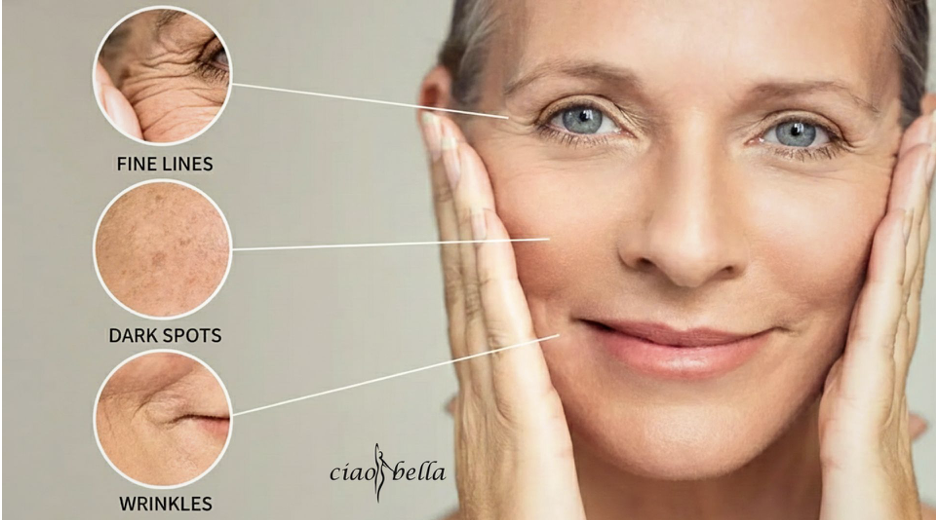
Facial rejuvenation has significantly advanced in the past decade, with more individuals opting for subtle, non-invasive methods to enhance their appearance. In 2026, interest in the non-surgical facelift continues to grow among individuals who want natural-looking results without surgery or extended recovery time. Rather than dramatic transformations, today’s patients are focused on looking well-rested, balanced, and confident.
Many people exploring facial treatments are not trying to look younger than their age. Instead, they want to soften signs of ageing while maintaining their natural features. This change has improved treatment planning and led to clearer discussions about what non-surgical options can actually do.
Ciao Bella Cosmetic Surgery prioritizes education, helping patients understand how treatments work and what realistic outcomes to expect based on their facial structure, skin quality, and lifestyle.
What a Non-Surgical Facelift Really Means in 2026
A non-surgical facelift is not one specific procedure. It refers to non-surgical treatments that enhance facial appearance. These treatments usually focus on restoring volume, controlling muscle movement, and improving skin quality rather than directly lifting the skin.
Unlike surgical facelifts, non-surgical approaches do not remove excess skin. Instead, they aim to create balance and support through gradual improvements. Understanding this distinction helps people avoid unrealistic expectations and choose options that align with their goals.
Why Non-Surgical Options Continue to Appeal
One of the main reasons non-surgical treatments remain popular is flexibility. Many people are not ready for surgery or may not need it. Others prefer gradual changes that can be adjusted over time.
Non-surgical treatments also fit more easily into busy lifestyles.
Appointments are usually shorter, recovery time is minimal, and results develop naturally rather than all at once. This makes the experience feel less overwhelming for first-time patients.
Strong patient testimonials often reflect appreciation for this measured approach, especially when individuals feel heard and supported throughout the process.
Injectable Treatments and Facial Balance
Injectables are commonly used as part of non-surgical facelift plans. These treatments can help restore subtle volume, soften lines, and improve facial symmetry when used conservatively.
The key to success is moderation and placement. Overuse can lead to an unnatural appearance, while careful application supports natural contours. Clinics that perform a high volume of facial procedures often develop a refined understanding of facial proportions, which helps guide these decisions.
Patients frequently report better outcomes when treatment plans are personalized rather than standardized.
Energy-Based Treatments and Skin Support
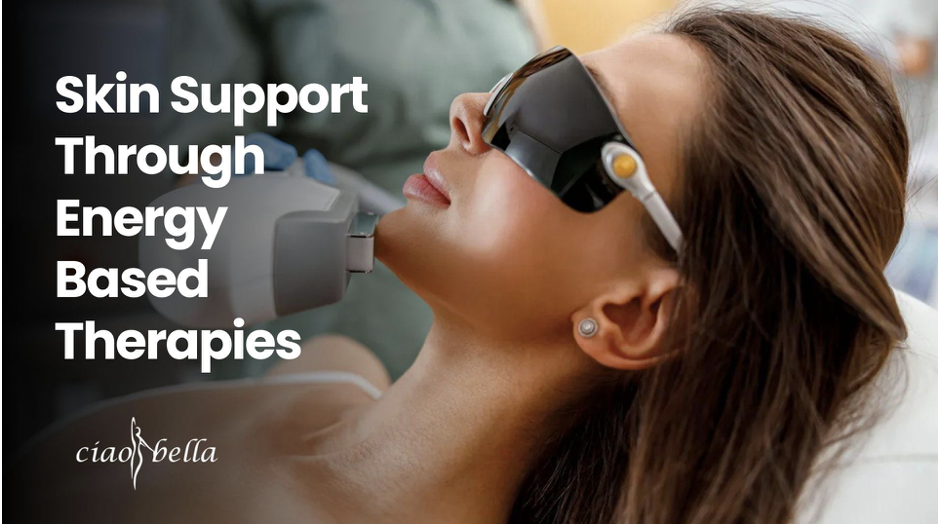
Energy-based devices play an important role in modern facial rejuvenation. These treatments use heat or ultrasound to stimulate collagen production in deeper layers of the skin.
They are often used to improve firmness and texture, especially in areas like the jawline and lower face. This form of skin tightening works gradually, with results developing over several months as collagen rebuilds.
While these treatments cannot replicate surgical results, they can offer noticeable improvements for individuals with mild to moderate skin laxity.
Combining Treatments for Natural Results
In many cases, the most effective results come from combining treatments rather than relying on a single solution. Volume support, muscle relaxation, and collagen stimulation address different aspects of facial aging.
This is where the second mention of non-surgical facelift naturally fits, as the term often describes a layered method rather than one procedure. Small adjustments made over time tend to look more natural and age better than dramatic changes.
Providers who prioritize patient education often explain why combination plans work better and how results evolve gradually.
At Ciao Bella Cosmetic Surgery, treatment planning often reflects this balanced philosophy, supported by years of patient feedback and experience across a wide range of facial procedures.
What Non-Surgical Treatments Cannot Do
It is equally important to understand the limits of non-surgical options. These treatments cannot remove significant excess skin or reposition deep facial tissues.
People with advanced sagging may not achieve their desired outcome without surgery. Honest discussions about these limitations help patients feel informed rather than disappointed.
Testimonials frequently highlight transparency as one of the most valued aspects of the patient experience.
Maintenance and Long-Term Planning
Non-surgical treatments are not permanent. Results typically last from several months to a couple of years, depending on the treatment and individual factors such as metabolism and skin quality.
Some people enjoy the flexibility of maintenance, while others prefer a one-time surgical solution. There is no right or wrong choice, only what aligns best with personal preferences and lifestyle.
Understanding the long-term commitment helps people make confident decisions.
A Shift Toward Ageing Well, Not Chasing Youth
In 2026, facial aesthetics is less about reversing age and more about supporting confidence at every stage of life. Many people view non-surgical treatments as anti-aging alternatives that help them look refreshed rather than altered.
This mindset has shaped how clinics communicate with patients, emphasizing realistic outcomes and long-term satisfaction over unrealistic promises.
Patients often feel more comfortable when their care reflects this philosophy.
How to Choose Between Different Facial Rejuvenation Paths
When exploring facial rejuvenation, many people find themselves comparing Surgical vs. Non-Surgical approaches to understand which option better suits their needs. The key difference lies in the level of change desired, recovery time, and long-term expectations.
Non-surgical options focus on gradual improvement. They work best for individuals with mild to moderate concerns who want to refresh their appearance without downtime or permanent alteration. These treatments allow flexibility, adjustments over time, and a more subtle outcome that evolves naturally.
Surgery is usually recommended for significant skin laxity or structural changes that non-surgical methods cannot effectively treat. Surgery may offer longer-lasting results, but it also involves greater commitment, recovery, and risk.
Understanding this distinction helps patients feel more confident in their choices. Some individuals prefer beginning with non-surgical treatments and reassessing later, while others appreciate the reliability of a surgical option. Clear guidance and honest conversations play an important role in helping individuals choose the path that suits their goals, comfort, and lifestyle.
Choosing a Clinic That Prioritizes the Patient Experience
The quality of results depends not only on the treatments themselves but also on the care surrounding them. Clinics known for customer-service-focused care tend to build trust through clear communication and attentive follow-up.
A high procedure volume helps providers spot patterns, enhance techniques, and anticipate potential issues. Testimonials should focus on personal strengths instead of technical language.
Conclusion
Non-surgical facelift options in 2026 offer meaningful ways to support facial balance, skin quality, and confidence without surgery. While these treatments have limits, they can provide natural-looking improvements when guided by experience and realistic expectations.
Understanding what works, what does not, and what fits your lifestyle is essential. When education and patient care are prioritized, the experience tends to feel empowering instead of just stressful.
Ciao Bella Cosmetic Surgery offers personalized consultations and ongoing care to help patients find non-surgical options that meet their goals and comfort levels.