



Weight loss medications have changed the way many people view their health and self-confidence. Some individuals may notice unexpected changes in their facial appearance, in addition to changes in their bodies. One topic that continues to raise questions is Ozempic face treatment, especially among people who experience facial changes after rapid weight loss and want to understand what is happening.
When weight drops quickly, the face often loses volume before the skin has time to adjust. This can lead to a more tired or aged appearance, even when overall health is improving. Some individuals are concerned about overusing injectables and achieving an unnatural appearance, commonly known as “filler face.”
Understanding the difference between these two concerns is essential before considering any next steps. Clinics such as Ciao Bella Cosmetic Surgery often begin with education and honest conversations, helping patients understand their facial changes rather than pushing immediate solutions. This allows individuals to feel informed and supported during their decision-making process.
What Is Ozempic Face?
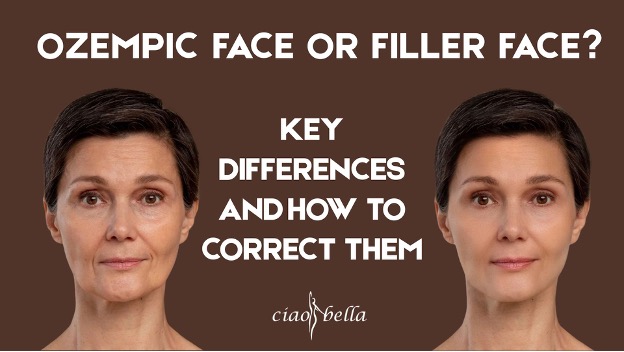
Ozempic face refers to facial changes that may occur after significant or rapid weight loss. These changes may include sunken cheeks, deeper lines around the mouth, more visible under-eye hollows, and looser skin.
These changes are not caused directly by the medication itself. They happen because facial fat naturally decreases as overall body weight decreases. The face contains delicate fat pads that support youthful contours. When the pads of fat in the face shrink rapidly, it can create a more hollow or drawn appearance.
Many people are surprised by how significant the changes in their bodies feel, especially with rapid weight loss.
Understanding Filler Face
Filler face refers to an overfilled or imbalanced appearance caused by too much injectable filler or poor placement. Instead of restoring subtle facial contours, the face may appear swollen, heavy, or less expressive.
This usually happens when volume is added without considering the natural structure of the face or when treatments are repeated too frequently. In some cases, people are trying to correct volume loss quickly and unintentionally go too far.
Unlike the Ozempic face, which is related to volume loss, the filler face is related to excess volume that disrupts natural proportions.
The Key Difference Between Ozempic Face and Filler Face
The main difference lies in balance. Ozempic face is caused by losing volume and skin support, while filler face happens when volume is added incorrectly or excessively.
Treating volume loss and overfilling in the same way often leads to frustration. It’s important to conduct a thorough evaluation before choosing any approach.
Patients who feel confident in their care often report better experiences when their concerns are addressed with patience and clarity rather than quick fixes.
Why Facial Changes Can Feel So Dramatic
The face changes faster than many other parts of the body because it has thinner skin and more visible contours. Even small shifts in volume can make a big difference. Age also plays a role. As collagen production slows over time, skin becomes less elastic. Weight loss can enhance the effects of this process.
Facial volume loss often becomes more noticeable after weight changes, even if a person feels healthier overall.
Can Ozempic Face Be Addressed Without Overdoing It?
Yes, it can be done, but it needs a careful and personalized method. The goal is not to restore every bit of lost volume, but to support natural facial balance. In some cases, people explore fillers for ozempic face to soften hollow areas gently. When used thoughtfully, small amounts placed in the right areas can help restore harmony without creating an artificial look.
Experienced clinics that perform a high volume of facial procedures tend to focus on subtle improvements rather than dramatic changes. Patient feedback often highlights how this careful approach leads to more natural-looking outcomes.
Correcting Filler Face Safely
A filler face is often reversible, but it takes time and careful planning. In some situations, dissolving excess filler may be recommended. In others, allowing filler to settle or metabolize naturally may be enough.
The correction process depends on the type of filler used, how long it has been in place, and where it was injected. Rushing corrections can lead to more problems, which is why it’s important to have patience and seek professional guidance.
Clinics known for strong patient relationships often focus on transparency, explaining options clearly so individuals can make informed decisions.
Why Skin Quality is Just as Important as Volume
 Facial appearance is influenced by more than just volume. Skin texture, elasticity, and overall health play a major role in how the face looks.
Weight loss can affect skin firmness, making lines and folds more noticeable. Supporting skin quality alongside volume can lead to more balanced and longer-lasting results.
Patients often prefer this layered method for subtle enhancements that maintain their natural look.
Setting Realistic Expectations
Understanding realistic expectations is crucial when addressing facial changes. No treatment can completely stop aging or restore the face to how it looked years ago. Patients who feel supported and well-informed often express greater satisfaction because they know what to expect. Gradual improvements usually look more natural and age better over time.
Strong testimonials often reflect appreciation for honest communication rather than promises of dramatic transformation.
Why More Women Are Choosing BBL Procedures
Conversations around facial changes after weight loss often connect to a broader discussion about body proportions and confidence. This is one reason why more women are choosing BBL procedures, which has become part of modern aesthetic conversations. As weight loss reshapes the body, some individuals notice volume loss not only in the face but also in areas like the hips and buttocks, which can affect overall balance.
Many women today consider how weight changes affect their overall appearance rather than concentrating solely on one feature. Just as restoring facial balance requires careful planning to avoid filler face, body contouring decisions also benefit from a careful, proportion-focused method.
The same principles apply whether addressing facial volume loss or considering body-focused procedures. Education, realistic expectations, and the right guidance play an important role in helping individuals decide what feels right for their goals and lifestyle.
Choosing the Right Support
The best outcomes usually come from clinics that prioritize listening, education, and patient comfort. Providers with extensive experience can identify patterns, anticipate potential issues, and customize care more effectively.
At Ciao Bella Cosmetic Surgery, patient experience is often shaped by clear communication, attentive care, and consistent results built over years of working with facial aesthetics. This patient-centered focus helps individuals feel confident at every stage of their journey.
Conclusion
Ozempic faces and filler faces are often discussed together, but they represent very different concerns. One reflects volume loss following weight changes, while the other indicates excess or misallocated volume. Understanding this difference is key to making the right decisions.
Facial volume loss is a natural part of both ageing and weight change, and it does not always require aggressive treatment. A balanced, informed approach often leads to the most natural outcomes.
Ciao Bella Cosmetic Surgery offers an environment focused on understanding individual needs and supporting long-term confidence through informed choices.