




Key Takeaways
- Surgical healing occurs in stages at the cellular level
- Inflammation plays a protective and necessary role
- Collagen formation is essential for tissue strength
- Internal healing continues long after visible recovery
- Patient education and support improve recovery confidence
Surgical healing is often described in terms of visible recovery, such as reduced swelling or fading incisions. However, much of the real work happens beneath the surface, long before outward changes become noticeable. Understanding the cellular healing process after surgery can help patients set realistic expectations and better appreciate how the body restores itself after a procedure.
Healing is not a single event. It is a coordinated biological process that unfolds in stages, involving specialized cells, chemical signals, and tissue remodeling. Patients who understand this process often feel more informed and prepared during recovery.
At Ciao Bella Cosmetic Surgery, patient education is considered an essential part of care. Clear explanations, consistent support, and attention to recovery questions help individuals feel guided rather than rushed during the healing journey.
The Body’s Immediate Response After Surgery
The moment surgery is complete, the body begins responding at a cellular level. This initial response focuses on protection and stabilization.
Key early reactions include:
- Blood clot formation to seal tiny blood vessels
- Release of signaling molecules that alert healing cells
- Temporary inflammation that helps clear damaged tissue
- Activation of immune cells to prevent infection
Although inflammation may sound concerning, it plays an important role. It creates the conditions necessary for repair to begin.
The Early Cellular Repair Phase
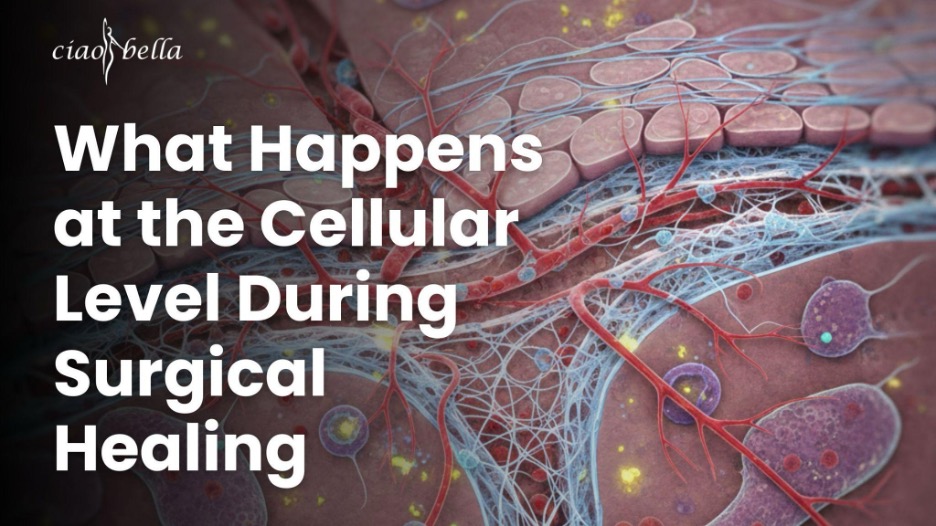
Within the first few days, the body shifts from protection to repair. Cells known as fibroblasts move into the surgical area and begin producing collagen, a structural protein essential for tissue strength.
This phase is often associated with swelling and tenderness. These sensations reflect active repair rather than a setback. Understanding what happens during surgical healing helps patients recognize that these changes are part of progress, not delay.
During this time, good circulation and proper wound care support the cellular environment needed for repair to continue smoothly.
Key Cellular Players in Healing
Several specialized cells work together throughout recovery. Each has a specific role that contributes to overall healing.
Some of the most important include:
- Platelets, which help form clots and release growth factors
- Fibroblasts are responsible for collagen production
- Macrophages, which remove debris and coordinate repair signals
- Endothelial cells, which help form new blood vessels
Together, these cells communicate constantly to ensure tissue repair stays organized and efficient.
Stages of Healing at the Cellular Level
Healing progresses through predictable stages. While timing can vary between individuals, the sequence remains consistent.
Overview of Cellular Healing Stages
Healing Stage | Primary Cellular Activity | Purpose |
Inflammatory | Immune cell activation | Protect and clean the area |
Proliferative | Collagen formation | Rebuild tissue structure |
Remodeling | Tissue reorganization | Strengthen and refine healing |
These stages of wound healing at the cellular level overlap rather than occur in isolation. The overlap explains why healing can sometimes feel inconsistent.
Why Healing Takes Time Even When You Feel Better
Visible improvements often appear before internal healing is complete. Collagen fibers initially form in a disorganized pattern and require time to realign and strengthen, especially in areas where the skin and underlying tissue have been adjusted.
This is why surgeons often advise patience, even when discomfort decreases. Many commonly shared facelift recovery tips focus on this stage, reminding patients that deeper layers of tissue continue adjusting long after surface healing looks complete. Respecting recovery timelines helps protect the long-term outcome and supports healthier tissue remodeling.
How Individual Factors Influence Cellular Healing
While the stages of healing typically follow a set pattern, the speed and experience can vary significantly among individuals. This variation is largely due to individual biological and lifestyle factors that influence how efficiently cells repair tissue.
Some common factors that affect cellular healing include:
- Age, as cell turnover and collagen production change over time
- Circulation, which determines how well oxygen and nutrients reach healing tissue
- Overall health, including how the immune system responds to inflammation
- Adherence to post-procedure instructions, such as activity limits and wound care
These differences explain why recovery timelines are often described as general guidelines rather than exact schedules. Understanding this variability helps patients avoid unnecessary concern when healing does not look identical to someone else’s experience.
The Role of Care Quality in Recovery
While the body does the cellular work, the care environment influences how smoothly healing progresses. Consistent follow-up, clear instructions, and responsive communication help patients avoid unnecessary setbacks.
Ciao Bella Cosmetic Surgery often focuses on accessibility and attentive support. Patients benefit when questions are addressed properly, and recovery concerns are taken seriously, especially during the early stages of healing.
How the Body Remodels Tissue Over Time
Remodeling is the longest phase of healing and can continue for months. During this stage, collagen fibers reorganize along lines of tension, increasing strength and flexibility.
This phase determines how scars mature and how natural the final result appears. Although changes happen slowly, they are essential to lasting outcomes.
The cellular healing process after surgery continues quietly during this period, even when patients feel fully recovered.
What Patients Can Expect During Ongoing Healing
Healing is not a simple process. Some days may feel better than others. Understanding this variability helps patients remain patient and informed.
Common experiences include:
- Temporary tightness as collagen reorganizes
- Gradual softening of tissue over time
- Changes in sensation as nerves adjust
- Improvement in strength and flexibility
Clinics with extensive procedural experience, such as Ciao Bella Cosmetic Surgery, often reassure patients by explaining these changes clearly and providing realistic recovery guidance based on high case volume and patient feedback.
Frequently Asked Questions
- How long does cellular healing take after surgery?
Cellular healing begins immediately and can continue for several months, depending on the procedure and individual factors.
- Is swelling a sign that healing is not going well?
Not necessarily. Swelling is often part of the normal inflammatory and repair process.
- Why does tissue feel tight during recovery?
Tightness usually relates to collagen formation and tissue remodeling.
- Can healing speed vary between patients?
Yes. Age, circulation, and overall health can influence healing timelines.
- When is healing considered complete?
Healing is gradual. While surface recovery may occur quickly, deeper tissue remodeling takes longer.
Conclusion
Surgical healing is a carefully coordinated biological process that unfolds at the cellular level long before results are fully visible. By understanding how the body repairs itself, patients can approach recovery with realistic expectations and greater confidence.
Ciao Bella Cosmetic Surgery supports this understanding through patient-focused care, clear communication, and extensive experience with a high volume of procedures. When patients feel informed and supported throughout healing, the recovery journey becomes more manageable and reassuring.
Dr. Edgardo Zavala
Dr. Edgardo Zavala is the founder and medical director of Ciao Bella Cosmetic Surgery & Vein Clinic in Chandler, AZ. Board-certified in internal medicine with advanced fellowship training in cosmetic surgery, cardiology, and vascular medicine, he brings more than 40 years of medical experience to cosmetic surgery, body contouring, and vein treatments.